

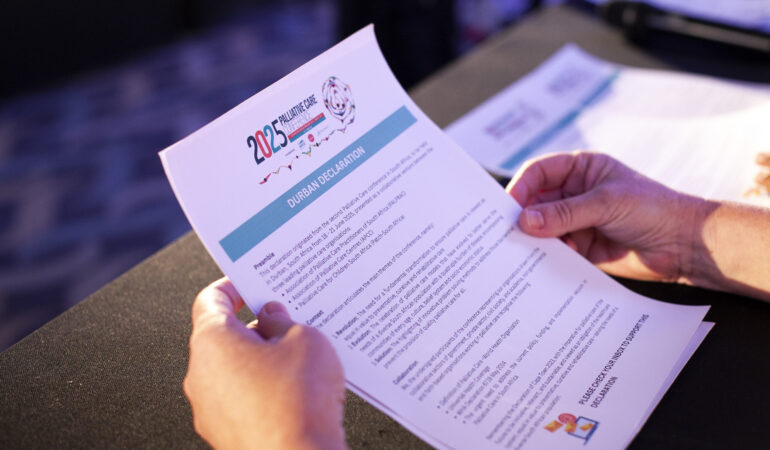
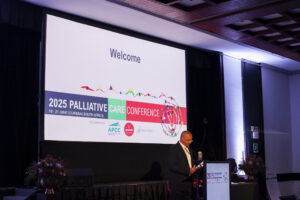

The 2025 South African Palliative Care Conference by the Association of Palliative Care Practitioners of South Africa (PALPRAC), Palliative Care for Children South Africa (PatchSA) and the Association of Palliative Care Centres (APCC)
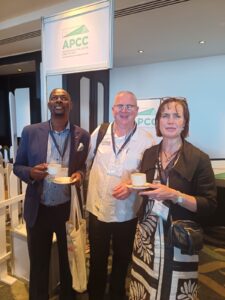
The conference was attended by approximately 350 people, including many key stakeholders in the palliative care sector in South Africa. Several APCC members were able to send delegates to the conference and a few of their comments on the conference are included in this summary.
The APCC was well represented on the scientific and organising committees, and we would like to express our appreciation to those individuals who generously made a significant portion of their time and expertise available. From APCC on the scientific committee: Tersia Burger, Hanneke Lubbe and Warren Oxford-Huggett. From APCC on the organising committee: Sentebaleng Mampane-Seitshiro and Warren Oxford-Huggett (conference co-chair).
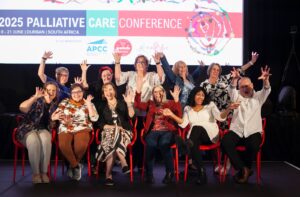 In this day and age of virtual everything, the time and space to connect in person is deeply appreciated and valued. To share physical space with people who share a passion and enthusiasm for palliative care has been truly rejuvenating.
The conference had a wide range of engaging presentations that were professionally presented, and there was good participation by the many who attended.
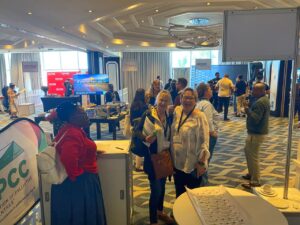 A big shout out to the provincial and regional chairs who were present and helped organise the APCC booth. The engagement with delegates and sponsors was exceptionally well received.
The following comments have been received from individuals who attended:
 “Attending the recent palliative care conference in Durban was an incredibly enriching and inspiring experience. The atmosphere was filled with a shared passion for compassionate care, and it was uplifting to connect with professionals from diverse backgrounds who are equally committed to improving the quality of life for patients and families. The presentations were insightful, offering fresh perspectives and practical tools that I can integrate into my own practice. It was especially heartening to see the growing emphasis on children’s participation in palliative care, a topic close to my heart. Overall, the conference renewed my sense of purpose and left me feeling encouraged, supported, and motivated to continue advocating for holistic, patient-centred care.”
Dr. Penelope Mathe
“The Three most ‘Wow’ presentations for me were the Safari Palliative Care Experience, the Sangoma’ s talk about Ubuntu (remarkable) and the Dr from India. It was good to meet up with members from other organisations and to hear about their challenges and successes. A well planned and very busy conference, thank you to all the planners. It definitely felt like an evolvement from the old HPCA to the new APCC. Thank you for the experience.
F De Marcy Pugin (NSM)
“The conference offered engaging speakers and meaningful reflections on palliative care, with thoughtful exploration of concepts like Ubuntu and Safari frameworks. It provided a valuable space for sharing experiences and common challenges faced in the field. While it didn’t focus heavily on practice-changing solutions, it reinforced the importance of community, compassion, and context-appropriate care.”
Dr Samantha Arnold
“I found the Palliative Conference powerful and a deeply affirming experience – both personally and professionally. The diverse community of professionals sharing unique insights was unifying and embodied the true strength of our field in palliation and end of life care. There was space, not just for intellectual exchange, but a platform reaffirming the values at the heart of palliative care, a reason why we chose this path in the first place.”
Leighanne Dibb
“The conference was well organised and I liked how punctual all sessions were, credit should also be given to the programme directors as they allowed the flow and kept to the time. Most of the topics were a bit too academic and didn’t give a bit of real practical solutions. Despite the declaration, I also expected some resolutions from the parallel sessions which I didn’t get. I felt that some headings were not so clearly covered by the presentations. For example, I chose the cultural topic expecting to get some controversial cultural differences including communication barriers and the impact it has on our care and only one speaker really touched on this. There were some topics in the plenary that I felt could have been put under the parallel sessions. Overall, the speakers were of great quality and being the first time at this kind of a conference, I would give them 9 to 10 out of 10.”
Motlalentoa
 “Durban Declaration – The conference commenced with the Durban Declaration, which emphasised the importance of palliative care in improving the quality of life for patients with life-limiting illnesses. The declaration highlighted the need for increased access to palliative care services, particularly in resource-constrained settings. The conference discussed the prospects of palliative care in South Africa post-COVID-19, with a focus on the challenges and opportunities arising from the pandemic. Speakers emphasized the need for sustainable and equitable palliative care services, particularly in the public sector. A significant highlight of the conference was the pledge by the Government to start supporting palliative care as a recognised health discipline. This commitment is expected to improve access to palliative care services and promote the development of sustainable palliative care programs.
Key Conference Themes
- Sustainability: Speakers emphasized the importance of sustainable palliative care services, including the need for adequate funding, infrastructure, and human resources.
- Governance: The conference discussed the importance of effective governance structures to support the development of palliative care services, including policy development and implementation.
- Advocacy: Advocacy was identified as a critical component of promoting palliative care, including raising awareness about the importance of palliative care and advocating for increased access to services.
- Training: The conference highlighted the importance of training and capacity-building in palliative care, including the development of palliative care programs and the training of healthcare professionals.
The 2025 Palliative Care Conference was a resounding success, bringing together experts and professionals to discuss the latest developments and challenges in palliative care. The conference provided a platform for sharing knowledge, experiences, and best practices, and highlighted the importance of sustainable, equitable, and accessible palliative care services.”
Philemon Malinga
Please keep an eye on the CONFERENCE WEBSITE for updates on photos, videos and copies of presentations.


