


Access for all, recognition by all
Before there can be choice, there must be access to palliative care.
Hospice Week 2026 calls for equitable access to quality palliative care for all South Africans. APCC members provide care to both insured and uninsured patients, yet access remains uneven. Palliative care is not optional; it is the foundation of dignity at diagnosis of a serious illness.
Access is the foundation of dignity
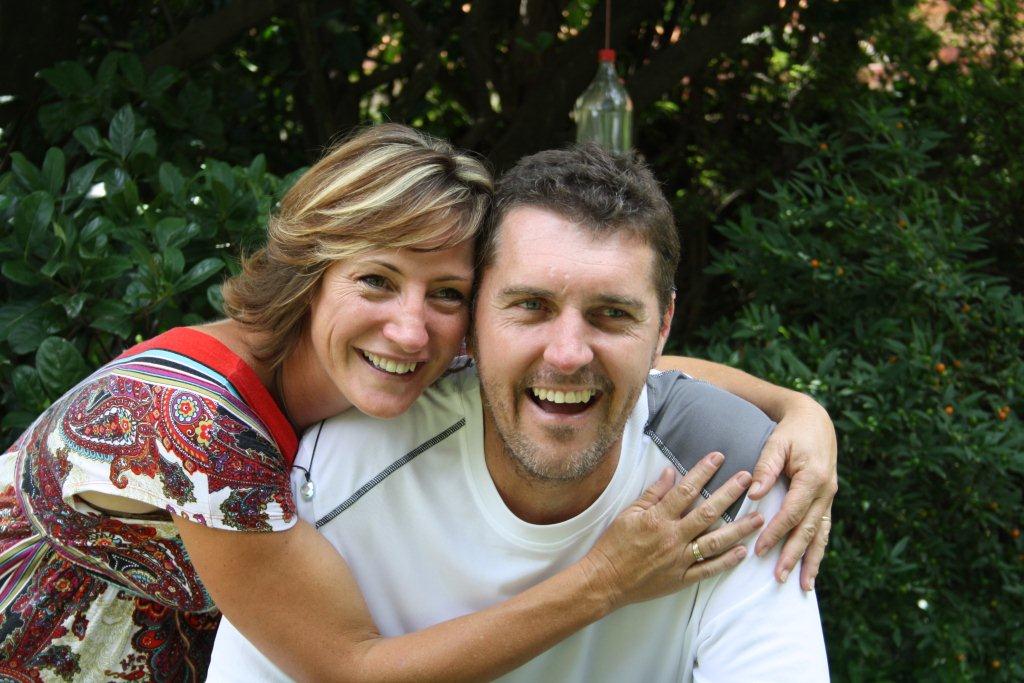
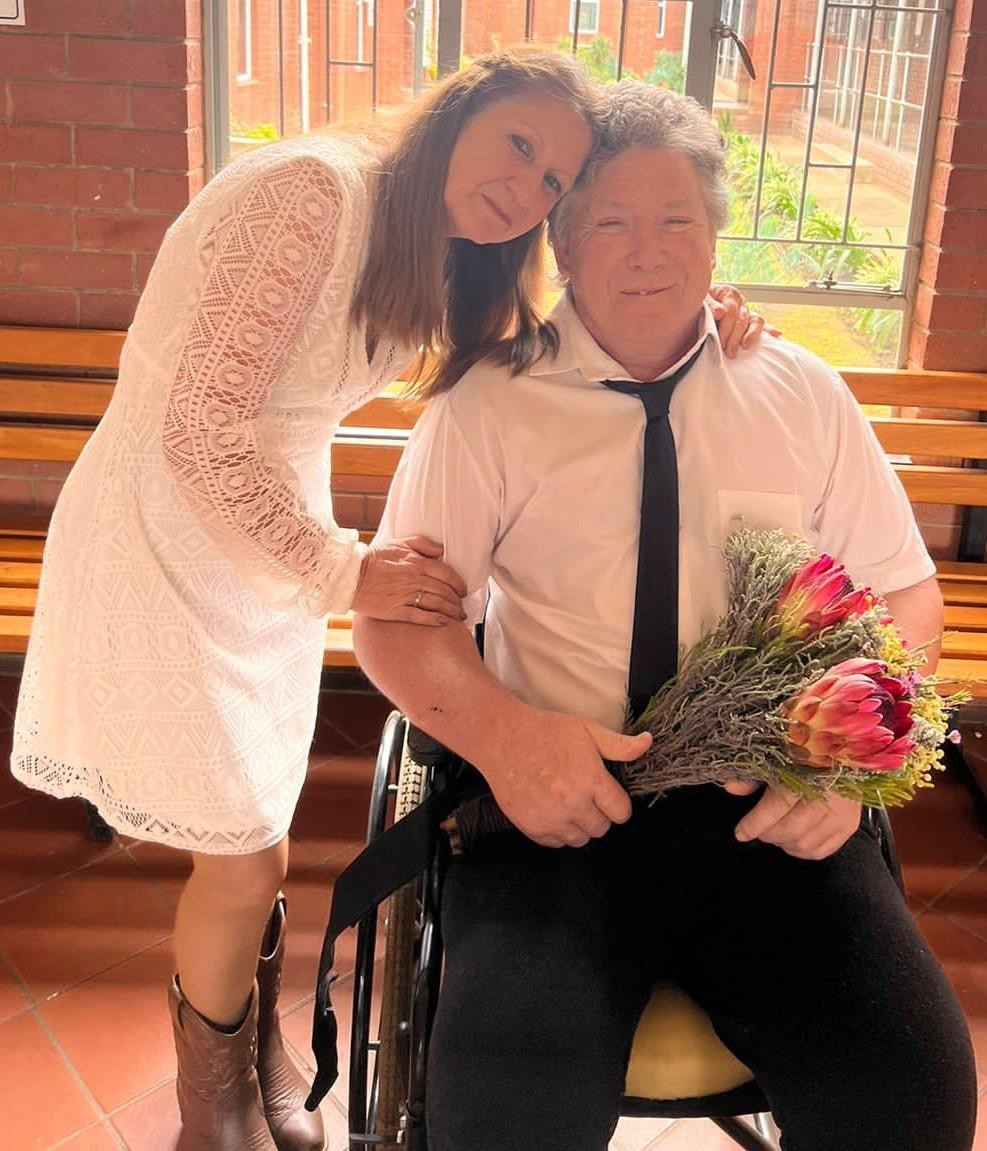
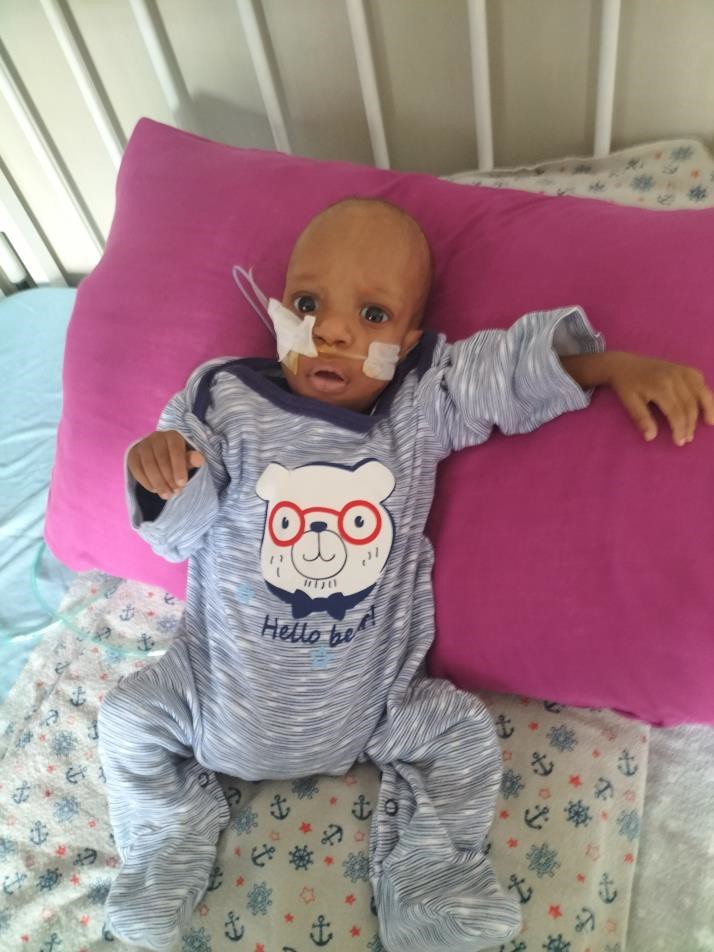
Palliative care is a human right, accessible to all South Africans, regardless of whether they are insured or uninsured. It provides comfort, dignity, and quality of life for patients facing life-limiting illness, and support for their families.
Across South Africa, APCC-accredited hospices deliver this care every day, often under constrained conditions, and without consistent recognition or funding.
While discussions around medically assisted dying are gaining prominence, the APCC maintains that equitable access to palliative care is the essential foundation of dignity at life’s end. Before any conversation about choice, there must first be access.
Each year, APCC members care for approximately 40,000 patients across the country, demonstrating both the scale of need and the critical role of hospice care.

Why access is still unequal
- Palliative care is not consistently funded across medical aids.


- Many uninsured patients rely on APCC member organisations for essential care.

- Services are not fully integrated into public healthcare systems.

- Patients are often referred too late to benefit fully.

- Capacity and access vary significantly across regions.

Voices from care
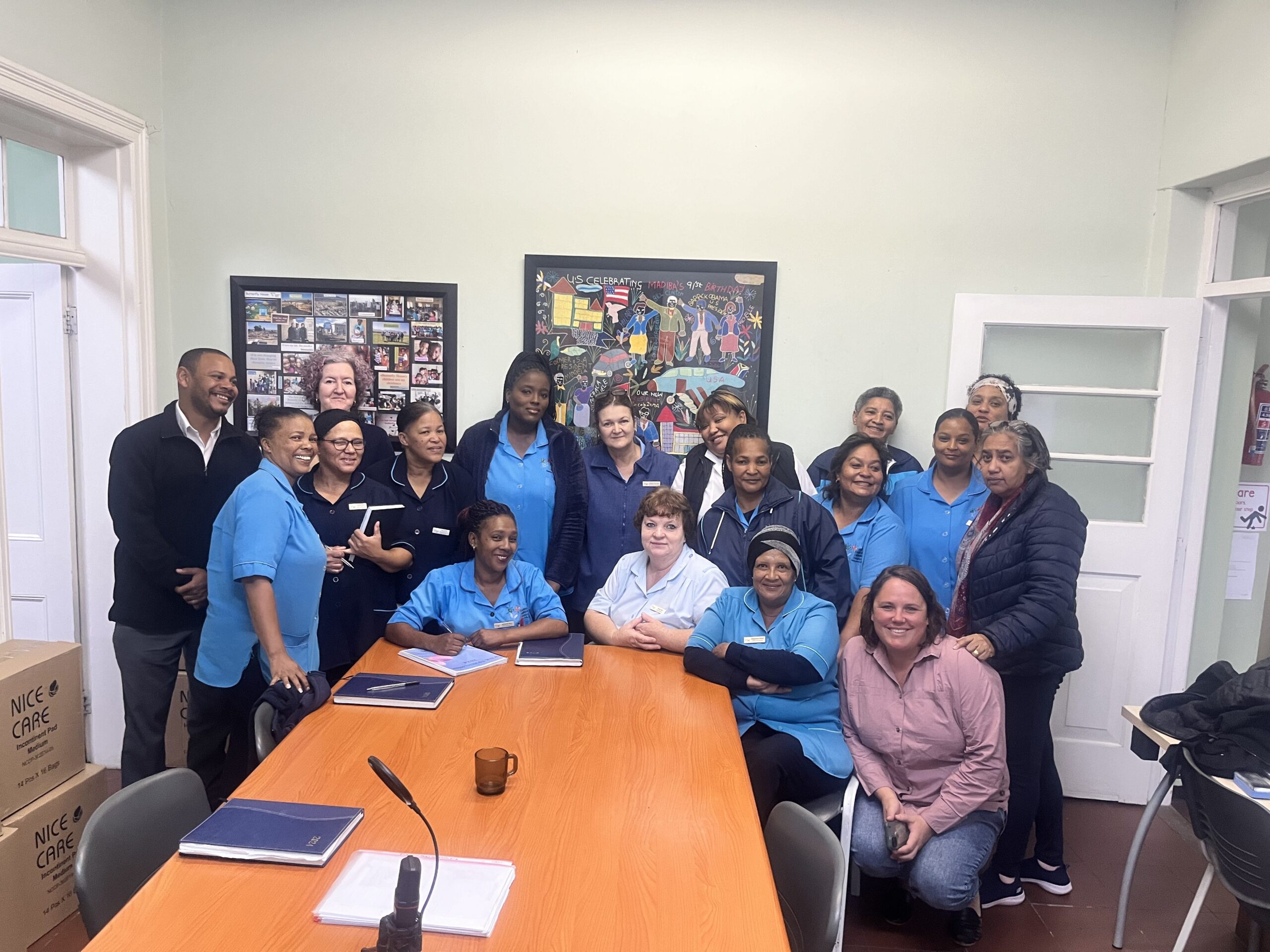
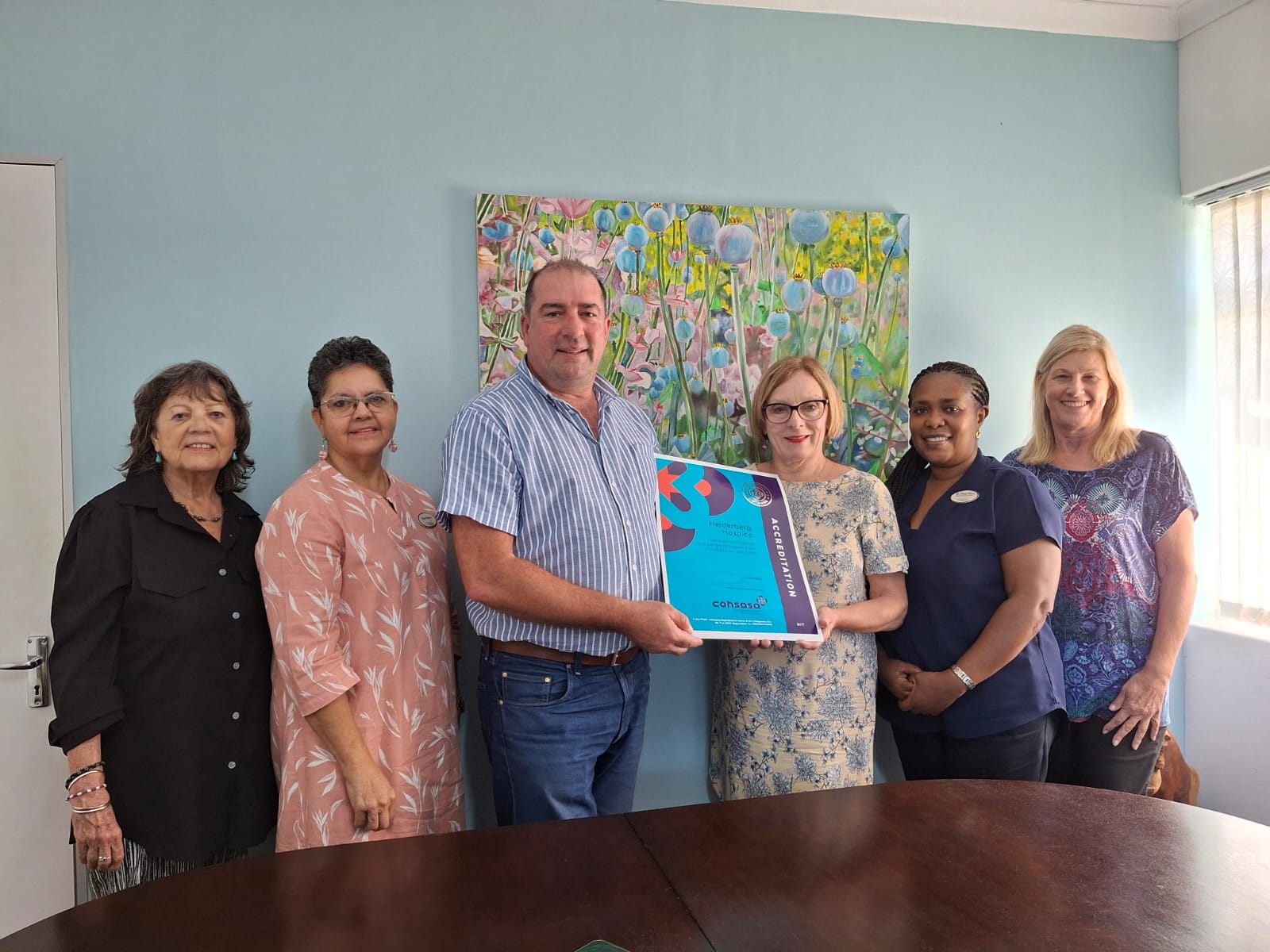
“Empathy and patience are key elements in our work. Each patient is unique, and we encourage patients and families to live and make decisions as the experts of their own lives.” – Heidi Hendriks, Helderberg Hospice Palliative Care
“Palliative care helps manage patients’ pain and other symptoms, especially during their treatment programme. This can help them fight their disease more effectively. Studies show those who receive palliative care live longer and have a higher quality of life than those who do not receive it.” – Dr Sinalo Maleho, East Rand Palliative Care
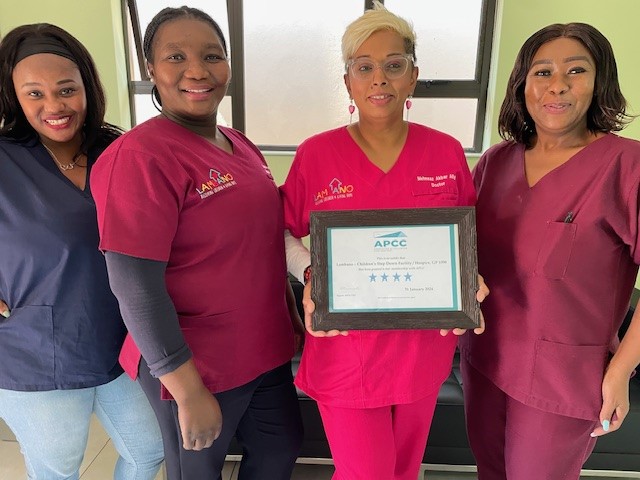
“Patients could benefit a lot by early referral so that palliative support can commence during curative treatment. Unfortunately, we don’t see this happening often enough.” – Dr M Ally, Lambano Sanctuary
What needs to change
Hospice Week 2026 calls on all stakeholders to ensure that palliative care is accessible and recognised for all South Africans.
- Medical Aids

To consistently recognise and reimburse palliative care.
- Specialists

To refer patients earlier, alongside curative treatment.
- Communities

To support the palliative care organisations that are delivering care across the country.
- Policymakers

To ensure equitable funding and universal access.